


Blog
How to Sell Homemade Cakes and Cookies Online in the UK

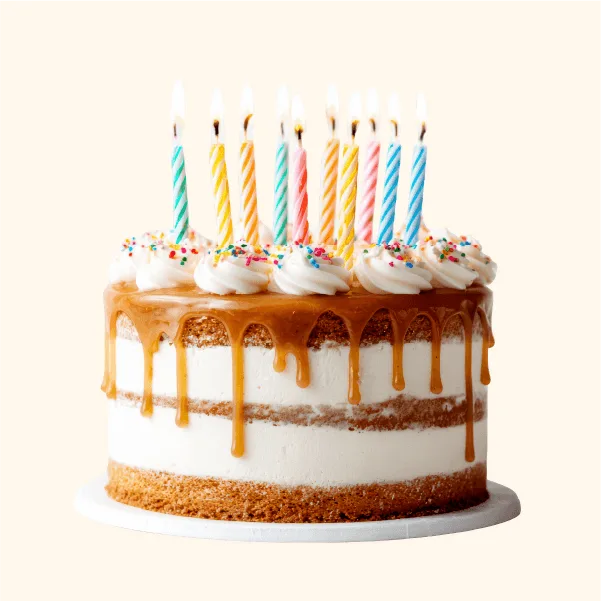
If friends keep asking you to bake for their birthdays, you may already have the start of a business. Selling homemade cakes and cookies online lets you reach customers well beyond your street, and you can do it around your own schedule. This guide walks through everything you need to go from “I bake for fun” to “I sell to the whole of the UK”.
Step 1: Choose bakes that suit selling online
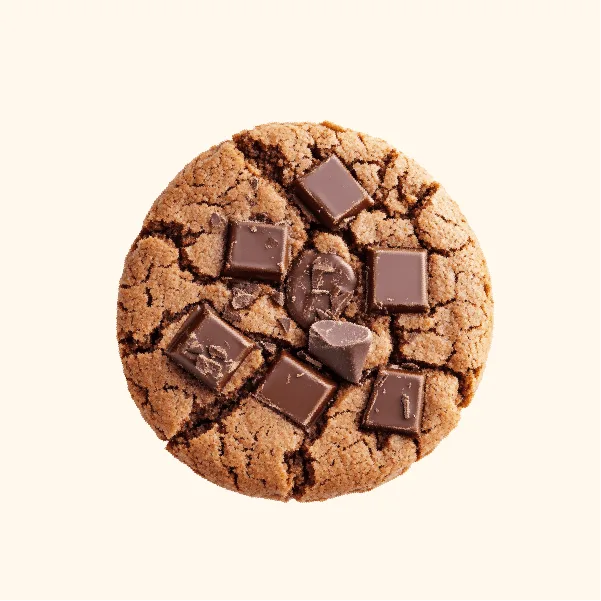
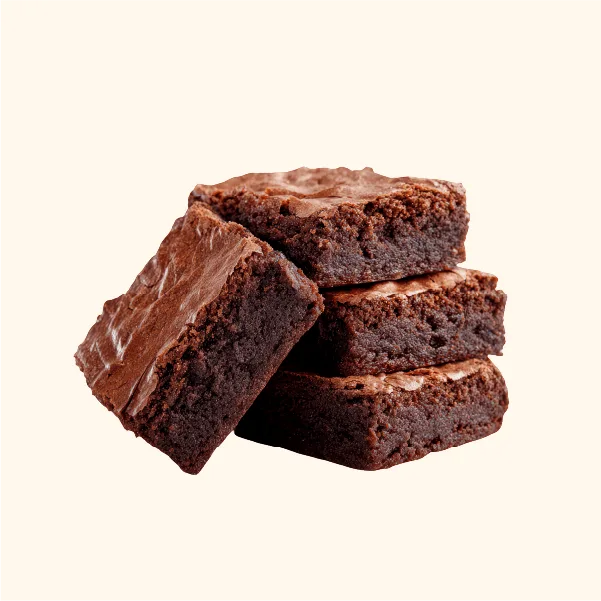
Not every bake travels well. The easiest products to sell by post are those with a medium or long shelf life: cookies, brownies, shortbread, loaf cakes, flapjacks, fruit cakes and biscuits. Fresh cream cakes and anything that must stay chilled add risk and cost, so most new online sellers avoid them. Our guide to the best bakes to sell by post has more ideas.
Step 2: Register your food business with your local council
In the UK, anyone who regularly makes and sells food, including from a home kitchen, needs to register as a food business with their local council. Registration is free, and the Food Standards Agency advises doing it at least 28 days before you start trading. You don’t need a commercial unit. A clean, well-organised home kitchen can qualify. See how to start a home bakery in the UK for the full set-up checklist.
Step 3: Get food hygiene training
A Level 2 Food Hygiene certificate is the recognised standard for anyone preparing food for sale. It’s usually inexpensive and can be completed online. Many platforms, including Cosy Cookie, ask for one before you can sell. We explain the difference between the certificate and your council’s hygiene rating in Do you need a food hygiene certificate?
Step 4: Get allergens and labels right
Customers with allergies rely on your information. You must be able to tell buyers which of the 14 major allergens are in every product, and prepacked food needs a proper label. Read our allergen labelling guide for home bakers.
Step 5: Price for profit, not just for cost
It’s easy to underprice when you’re baking at home. Include ingredients, packaging, your time, overheads, postage and any platform fees. Our pricing guide includes a simple formula.
Step 6: Package so it arrives in one piece
Packaging is the difference between a five-star review and a refund. Use a rigid box, a snug fit and the right filler. Start with our guide to packaging fragile bakes and the Cosy Cookie packaging guide.
Step 7: Choose where to sell
You can sell through your own website, social media, local markets or an online marketplace. Many bakers combine two or three. A dedicated food marketplace gives you a ready-made shop front and an audience already looking for independent makers. Cosy Cookie is free to join with no monthly fee, and sellers dispatch nationwide by Royal Mail, their own courier or local pickup. For a full comparison, see where to sell homemade baked goods online.
Step 8: Photograph your bakes and tell your story
Buyers can’t taste your product, so photos and your story do the selling. Natural light and a simple background are enough. See our phone photography tips for bakers.
Don’t forget insurance and tax
Consider public liability and product liability insurance before you sell. On tax, HMRC has a trading allowance for small amounts of income, and you may need to register for Self Assessment once you pass it. Check the current rules on gov.uk.
Ready to start?
Cosy Cookie is a marketplace built for independent bakers and food makers across the UK. Once your council registration and food hygiene certificate are in place, you can set up your shop front, list your products and start dispatching. Register as a seller or see why bakers join Cosy Cookie.