







Blog
Delicious Sugar-Free and Gluten-Free Cookie Recipes

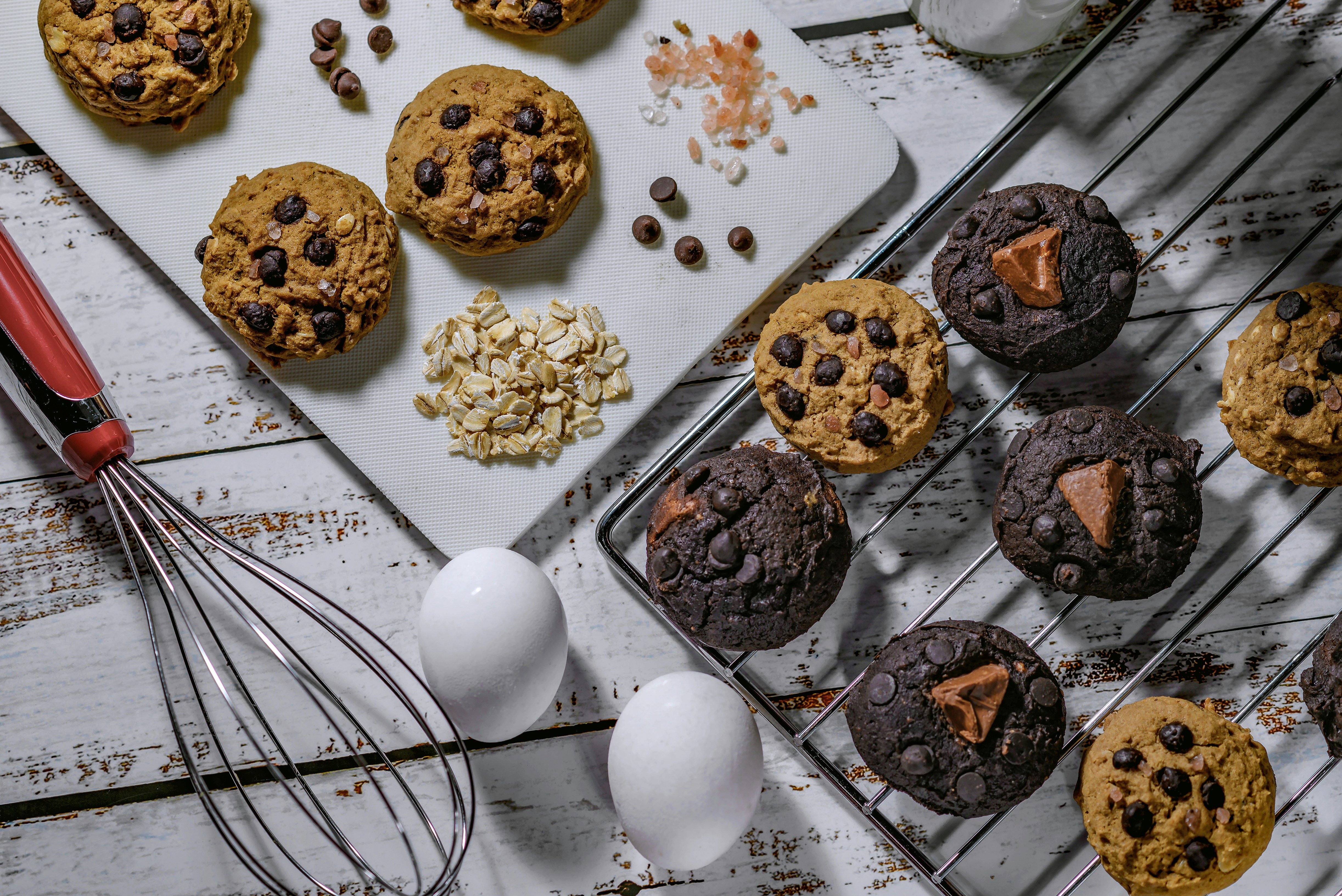
Understanding Sugar-Free and Gluten-Free Ingredients
Creating delicious sugar-free and gluten-free cookies begins with selecting the right ingredients. The choice of ingredients plays a crucial role in determining both the flavor and texture of your cookies. A common concern for many cookie enthusiasts transitioning to sugar-free and gluten-free options is how to achieve the same delightful taste and consistency that traditional cookies offer.
To replace sugar, natural sweeteners such as stevia, erythritol, or monk fruit are fantastic alternatives. These sweeteners not only lower the calorie count but also help maintain the intended sweetness without the harmful effects of added sugar. Unlike conventional sugars, these alternatives do not spike blood sugar levels, making them ideal for those who are health conscious or managing diabetes.
Another key ingredient in sugar-free and gluten-free cookies is gluten-free flour. Almond flour and coconut flour are two popular choices that provide distinct flavors and textures. Almond flour, made from finely ground almonds, is rich in protein and healthy fats, contributing to a moist crumb and a rich, nutty taste. However, it is also essential to note that almond flour can be denser than all-purpose flour, which may affect the overall texture of your cookies.
Coconut flour, on the other hand, is known for its absorbent qualities, requiring adjustments in the liquid ratio of your cookie dough. It imparts a subtle coconut flavor and offers a fluffy texture when used appropriately. When experimenting with these flours, one might need to combine them with eggs or other binding agents to create the desired chewy consistency.
Finally, adding ingredients like unsweetened cocoa powder, vanilla extract, or spices can enhance the flavor profile of sugar-free and gluten-free cookies without compromising health benefits. Understanding how these ingredients interact allows for the creation of tasty treats that cater to dietary restrictions without sacrificing quality.
Essential Tools for Baking Healthy Cookies
Baking healthy cookies at home requires not only quality ingredients but also the right tools and equipment to ensure the process is efficient and enjoyable. Below is a list of essential baking tools that every home baker should have.
The foremost item on any cookie baker’s list is a set of measuring cups and spoons. Accurate measurements are crucial in baking, particularly when working with alternative ingredients in sugar-free and gluten-free recipes. Using dry measuring cups for solid ingredients and liquid measuring cups for liquids helps achieve the best results.
Mixing bowls are also vital in preparing cookie dough. It can be beneficial to have various sizes available, allowing you the flexibility to mix ingredients without the risk of overflowing. Opt for bowls made from durable materials, such as stainless steel or glass, which are easy to clean and won’t retain odors.
An efficient hand mixer or stand mixer is another indispensable tool for creating cookie dough. These devices help thoroughly blend ingredients, particularly when using thicker doughs that require more effort. If a mixer is unavailable, a sturdy wooden spoon can serve as a manual alternative for mixing by hand.
Baking sheets, preferably made from aluminum or heavy-duty steel, provide a uniform baking surface for cookies. Pairing them with silicone baking mats can offer added convenience, preventing cookies from sticking and ensuring even baking. Silicone mats can be easily washed and reused, promoting sustainability in baking practices.
Finally, a set of cooling racks is essential for allowing cookies to cool evenly after baking. Placing baked cookies on a rack prevents sogginess and maintains their crisp texture. Investing in high-quality tools will not only enhance your baking experience but also contribute to the successful creation of sugar-free and gluten-free cookies.
Step-by-Step Guide to Making Sugar-Free and Gluten-Free Cookies
Creating delicious sugar-free and gluten-free cookies can be a rewarding and enjoyable experience. Here is a step-by-step guide to help you make these treats from scratch, ensuring they are not only tasty but also healthy.
Ingredients: Start by gathering the necessary ingredients: 1 cup of almond flour, 1/2 cup of coconut flour, 1/4 cup of unsweetened cocoa powder (if making chocolate cookies), 1/2 teaspoon of baking soda, and a pinch of salt. As a natural sweetener, consider using erythritol or stevia to taste. Additionally, include 1/2 cup of unsalted butter or coconut oil, and an egg for binding.
Step 1: Prepare the Dough Begin by preheating your oven to 350°F (175°C). In a large mixing bowl, combine the almond flour, coconut flour, cocoa powder, baking soda, and salt, mixing well. In another bowl, beat together the softened butter or coconut oil with your preferred sugar substitute until creamy. Once combined, mix in the egg until fully integrated. Gradually add the dry ingredients to the wet mixture, stirring until it forms a cohesive dough.
Step 2: Shape the Cookies Once your dough is ready, use a tablespoon or a cookie scoop to portion out the dough. Roll each portion into a ball and gently flatten it on a parchment-lined baking sheet. For an added touch, press mini chocolate chips or nuts into the tops of the cookies.
Step 3: Baking Tips Ensure that the cookies are evenly spaced on the baking sheet, allowing for some spread. Bake for 10-12 minutes, or until the edges are golden brown. Keep an eye on them to avoid over-baking as they can dry out quickly. Once done, remove them from the oven and let them cool on the baking sheet for a few minutes before transferring them to a wire rack.
Variations and Flavor Additions: Feel free to experiment with different flavors by adding extracts like vanilla or almond. You can also incorporate ingredients such as chopped dried fruits, shredded coconut, or various nuts to enhance the taste and texture.
Enjoying Your Healthy Cookies: Serving and Storage Tips
When it comes to serving your delicious sugar-free and gluten-free cookies, presentation can play a crucial role in enhancing the overall experience. Arrange the cookies on a decorative platter or in an elegant glass jar to provide a visually appealing display. Consider pairing these healthy cookies with beverages that complement their flavors, such as herbal teas, almond milk, or freshly brewed coffee. Each cookie can be a delightful accompaniment that elevates your snack time or dessert experience.
For those looking to share their healthy treats, packing cookies as gifts is a thoughtful gesture. Use eco-friendly boxes or tins lined with tissue paper to add a personal touch. You can also include a handwritten note detailing their healthy ingredients to inform recipients about the benefits of these delicious creations. This not only highlights the effort put into baking but also encourages others to explore sugar-free and gluten-free options.
Maintaining the freshness of your cookies is essential for preserving their quality and flavor. Store them in an airtight container at room temperature for short-term keeping. For longer storage, consider refrigerating them, which can prolong their shelf life. However, it’s advisable to allow them to come to room temperature before serving to enhance their taste and texture. For those who wish to keep cookies for an extended period, freezing is a viable option. Ensure they are individually wrapped or separated by parchment paper to prevent them from sticking together.
The key to enjoying healthy cookies lies not only in how they are served but also in how they are stored. By following these tips, you can ensure that your sugar-free and gluten-free cookies retain their deliciousness, making them a delightful treat anytime you crave a sweet bite. A little attention to detail when serving and storing will go a long way in enhancing your enjoyment of these healthy alternatives.


